
Call us now :08071780022
 Send Inquiry
 Send Inquiry
Class 1 Quartz Sand
Class 1 Quartz Sand Specification
- Purity
- >99%
- Melting Point
- 1710C
- Size
- As per JIS Z 8901 standard (typically less than 500 microns)
- Storage Instructions
- Store in a cool, dry place in tightly sealed container.
- Molecular Formula
- SiO2
- Molecular Weight
- 60.08 g/mol
- Physical State
- Powder
- Boiling point
- 2230C
- Packaging Type
- Sealed Plastic Jar / Container
- Ph Level
- Neutral (pH 7)
- CAS No
- 14808-60-7
- Shelf Life
- 24 Months
- Usage
- Test contaminant, calibration, environmental testing
- Density
- 2.65 Gram per cubic centimeter(g/cm3)
- Flash Point
- Non Flammable
- Grade
- Class 1
- Type
- Test Dust / Particle Powder
- Application
- Test Contaminant; Laboratory Testing; Industrial Use
- Appearance
- White to Off-White Powder
- Purity(%)
- >99%
- Form
- Fine Dust / Test Dust
- Product Name
- Quartz Sand Particle Powder (Test Dust)
- Handling
- Handle with care, avoid dust inhalation
- Hazard Identification
- Non-Hazardous (Under Normal Conditions)
- Standard
- JIS Z 8901 Class-1
Class 1 Quartz Sand About
Scope : This Japanese Industrial Standard specifies both: the test powders which can be used for the dust separatio n test of a dust separtation test of a dust separator or an air filter, for the function test of various testers, and for wear test; and the test particles, which can be used for the calibration of light-scattering automatic particle counter, the test of particle collecting rate for super high performance air filter, and the calibration of an automatic counter of particulate materials floating in air.Test powders Class 7, Class 8, and Class 11 the quality of test powders Class7, Class 8, and Class 11 (KANTO LAOM) shall conform to the following items.
Particle Density: Particle Density shall be te value of 2.9 g/cm3 to 3.1 g/cm3 when measured according to the method in test
FAQs for Japanese Industrial Standard Test Powders:
Q: What are Japanese Industrial Standard Test Powders used for?
A: These powders are used for dust separation tests, air filter performance tests, wear tests, and other industrial or laboratory evaluations.
Q: What are the particle density requirements for Class 7, Class 8, and Class 11 powders?
A: The particle density must range between 2.9 g/cm and 3.1 g/cm.
Q: How are these test powders classified?
A: They are classified into Class 7, Class 8, and Class 11 (KANTO LAOM), based on particle size and other quality parameters.
Q: Can these test powders be used for calibrating particle counters?
A: Yes, the specified test particles are suitable for calibrating light-scattering automatic particle counters and air quality monitoring devices.
Q: Which industries benefit from using these test powders?
A: Industries involved in air filtration, environmental monitoring, automotive testing, and mechanical wear analysis frequently utilize these powders.
Q: Are there any specific methods for measuring particle density?
A: Yes, the particle density is measured following standardized methods outlined in the relevant test procedures.
Precision Testing with Consistent Quality
Quartz Sand Particle Powder (Test Dust) is meticulously produced to ensure a high level of purity and uniformity, which is essential for accurate and repeatable test results. Its adherence to the JIS Z 8901 Class-1 standard guarantees its suitability for calibration, laboratory analysis, and environmental simulations, making it a trusted choice for scientific and industrial use.
Safe Handling and Storage Practices
While this product is classified as non-hazardous under normal circumstances, handling should still be performed with care to minimize dust creation and inhalation. Store the powder in a cool, dry location inside its tightly sealed plastic jar or container to preserve its integrity and maximize shelf life, and use standard laboratory PPE for added safety.
Versatile Applications in Industry and Research
Quartz Sand Particle Powder is ideal for testing filtration systems, calibrating instruments, simulating environmental dust, and assessing industrial contamination. Its fine particle size and high purity enable reliable, reproducible results across diverse applications, supporting quality assurance, regulatory compliance, and advanced research efforts.
FAQ's of Class 1 Quartz Sand:
Q: How should Quartz Sand Particle Powder (Test Dust) be handled during use?
A: Handle Quartz Sand Particle Powder with care, minimizing the creation of dust and using personal protective equipment such as masks and gloves. Avoid inhaling dust and always work in a well-ventilated area to ensure safety.Q: What are the typical applications of JIS Z 8901 Class-1 Quartz Sand?
A: This fine test dust is primarily used as a test contaminant in laboratory testing, calibration of analytical equipment, environmental testing, and simulation of industrial dust contamination. Its consistent particle size and high purity make it ideal for reliable and reproducible results.Q: Where should Quartz Sand Particle Powder be stored for optimal shelf life?
A: Store the powder in a cool, dry place within its original tightly sealed plastic container or jar. Proper storage under these conditions will help maintain product quality and ensure a shelf life of up to 24 months.Q: What is the benefit of using Quartz Sand Particle Powder meeting JIS Z 8901 Class-1 standards?
A: Meeting the JIS Z 8901 Class-1 standard ensures that the powder has precise particle size distribution and exceptional purity, providing accurate and reliable test results in critical laboratory and industrial applications.Q: What safety precautions should be observed when handling this test dust?
A: Although classified as non-hazardous under normal conditions, avoid inhalation and prolonged exposure. Employ appropriate protective measures like wearing a dust mask and gloves, and handle the product in well-ventilated environments.Q: How is this test dust packaged and how should unused product be managed?
A: Quartz Sand Particle Powder is packaged in sealed plastic jars or containers to prevent contamination and moisture ingress. Always reseal the container tightly after use and avoid transferring the powder to unapproved containers to preserve quality.Q: What physical properties distinguish this product for laboratory and industrial use?
A: Key properties include a high purity of over 99%, uniform fine particle size as per JIS Z 8901, white to off-white color, neutral pH, and thermal stability with a melting point of 1710C. These attributes make it suitable for precise and repeatable testing or calibration tasks.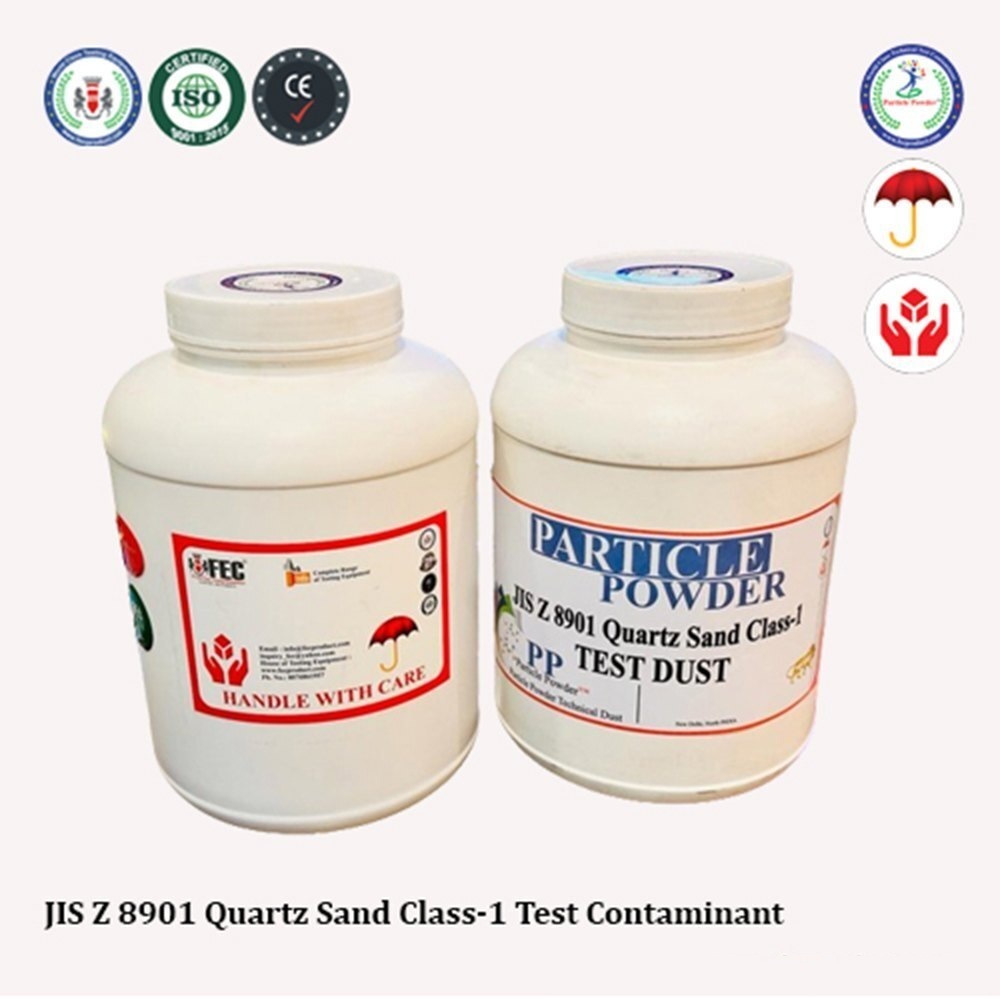
Tell us about your requirement

Price:
Quantity
Select Unit
- 50
- 100
- 200
- 250
- 500
- 1000+
Additional detail
Mobile number
Email

More Products in Technical Contaminant Particle Powder Category
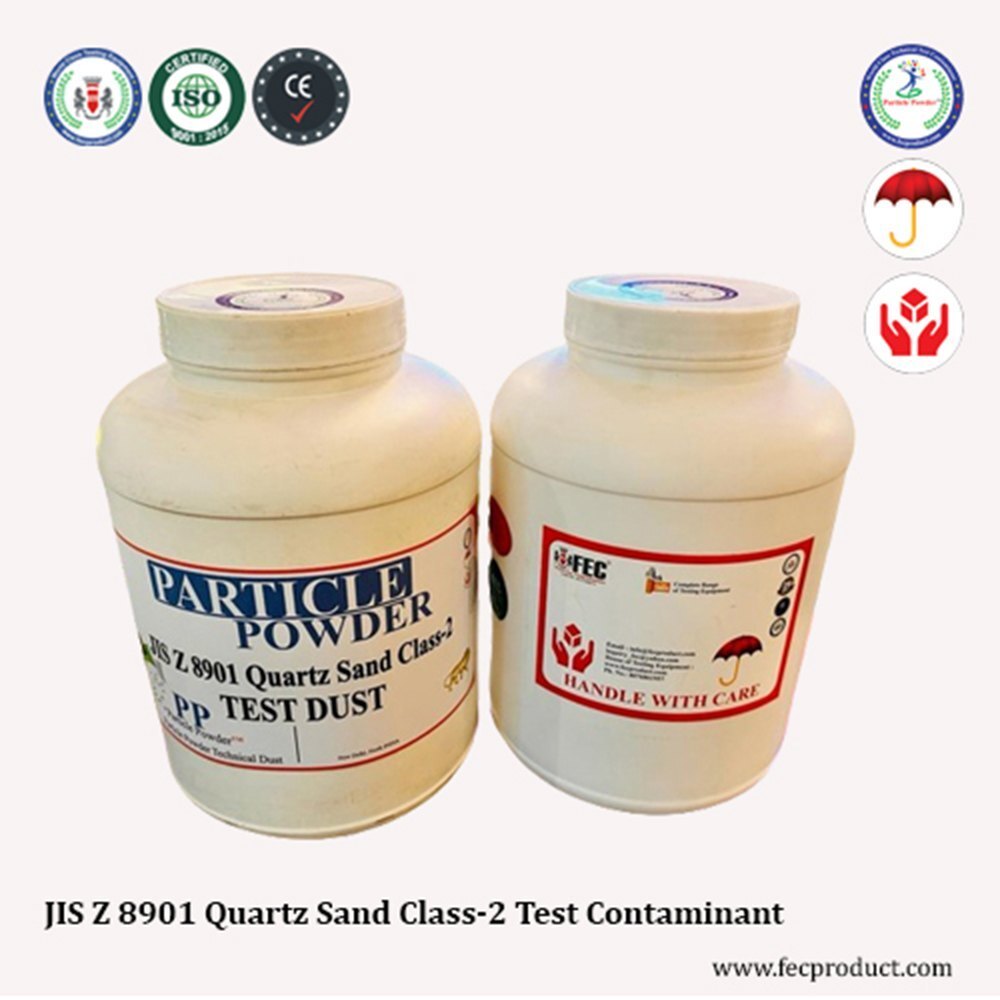
JIS Z 8901 Class 2 Quartz Sand
Price 14000.0 INR / Unit
Minimum Order Quantity : 10 Units
Type : Industrial Lab Chemicals
Grade : Laboratory
Appearance : Powder
Shelf Life : Stable under recommended storage conditions
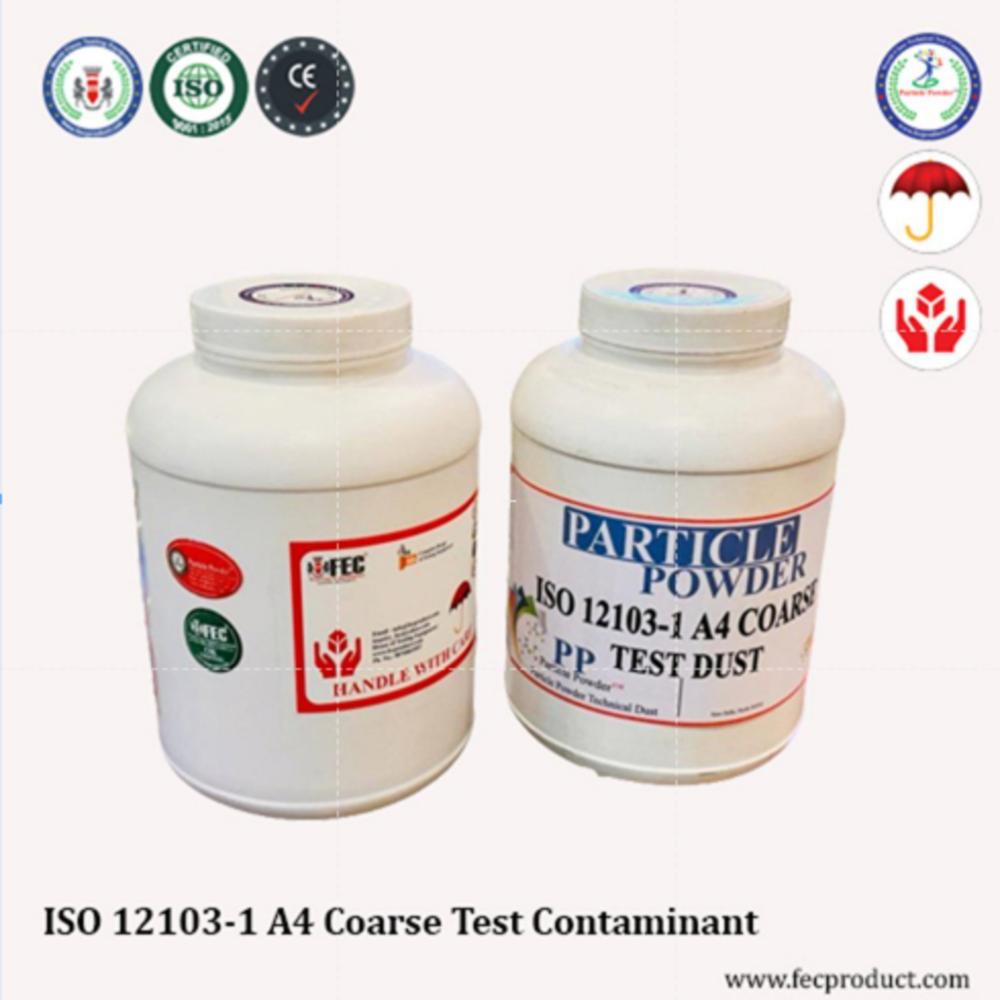
Test Dust ISO 12103-1 A4 Coarse
Price 14000.0 INR / kg
Minimum Order Quantity : 1 kg
Type : Technology Lab Chemicals
Grade : Industrial
Appearance : Grayish fine granular powder
Shelf Life : 24 months (when properly stored)
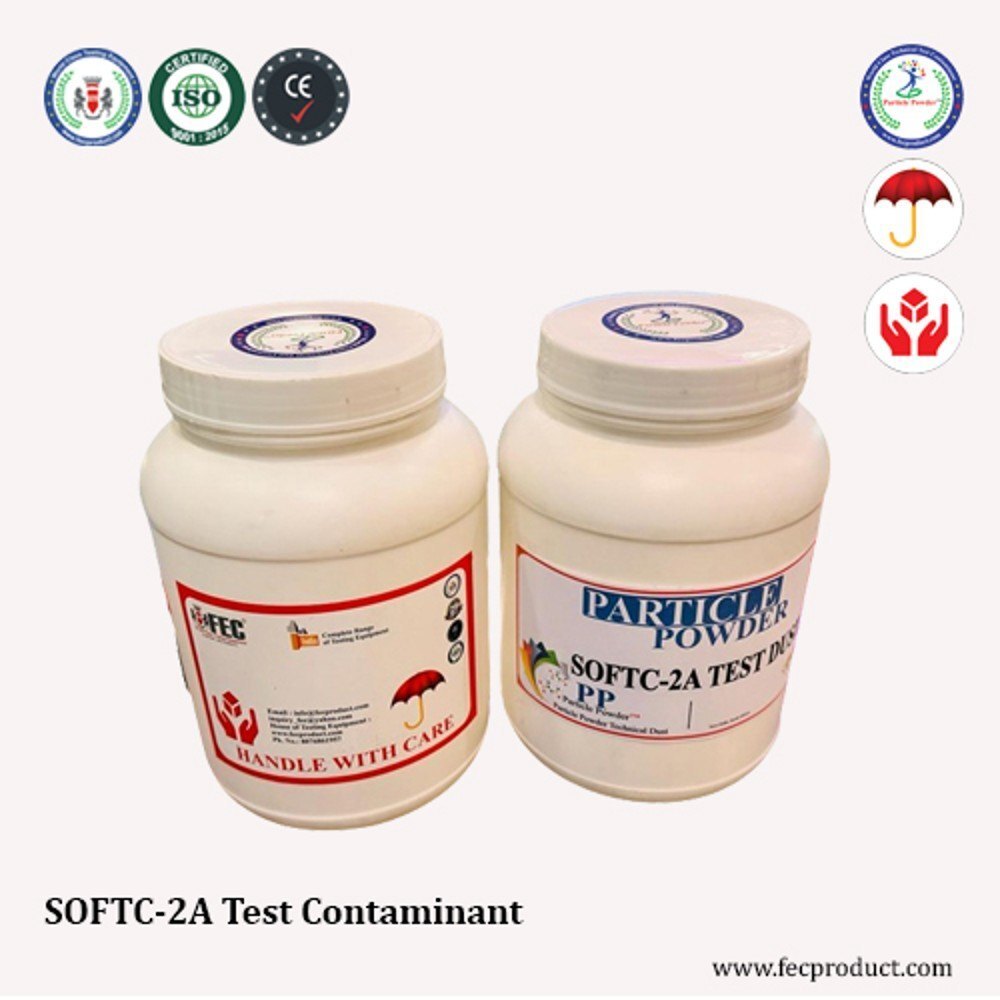
SOFTC 2A
Price 14000.0 INR / Kilograms
Minimum Order Quantity : 1 Kilograms
Type : Industrial Lab Chemicals
Grade : Laboratory
Appearance : Particle Powder
Shelf Life : Stable under dry, sealed storage conditions
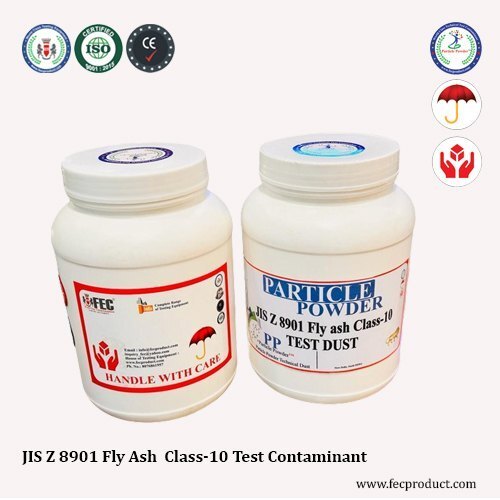
Class 10 Fly Ash
Price 12000.0 INR / Piece
Minimum Order Quantity : 1 Piece
Type : Other, Fly Ash / Test Dust
Grade : Class10
Appearance : Powder

 Send Inquiry
Our Products
- Technical Contaminant Particle Powder
- Deep Freezer
- Sample Gsm Cutter
- Particle Powder Technical Contaminant
- Air Filter and Cabin Test Equipment
- HVAC Air Filter Test Equipment
- Oil Filter Test Equipment
- Fuel Filter Test Equipment
- RO and Water Filter Test Equipment
- Filtration Media Test Equipment
- Face Mask Test Equipment
- Automobile Paint And Plating Equipment
- Environmental Chambers
- Paper Packaging Test Equipment
- Footwear And Rubber Test Equipment
- Radiator And Puff Panel Test Equipment
- Humidity Chamber
- Smoke Density Tester
- Analytical Balance

Plot No-35, K-1 Extn., Bank Wali Gali Gurudwara Road, Mohan Garden, Uttam Nagar,New Delhi - 110059, India

Mr T.P. P. Saxena
(Proprietor)
Mobile :08071780022
 Send Inquiry
Developed and Managed by Infocom Network Private Limited.
